



Blog / Services

Blog

All Services Dave Kehl Chevrolet Service Mechanicsburg Chevrolet Dealer Mechanicsburg Chevrolet Service Brake Services SUV 2026 Chevy Silverado 1500 Chevy Equinox Oil Change 2027 Chevrolet Equinox 2027 Chevrolet Traverse 2027 Chevy Silverado Brake service Silverado 1500 vs F-150 Wheel Alignment
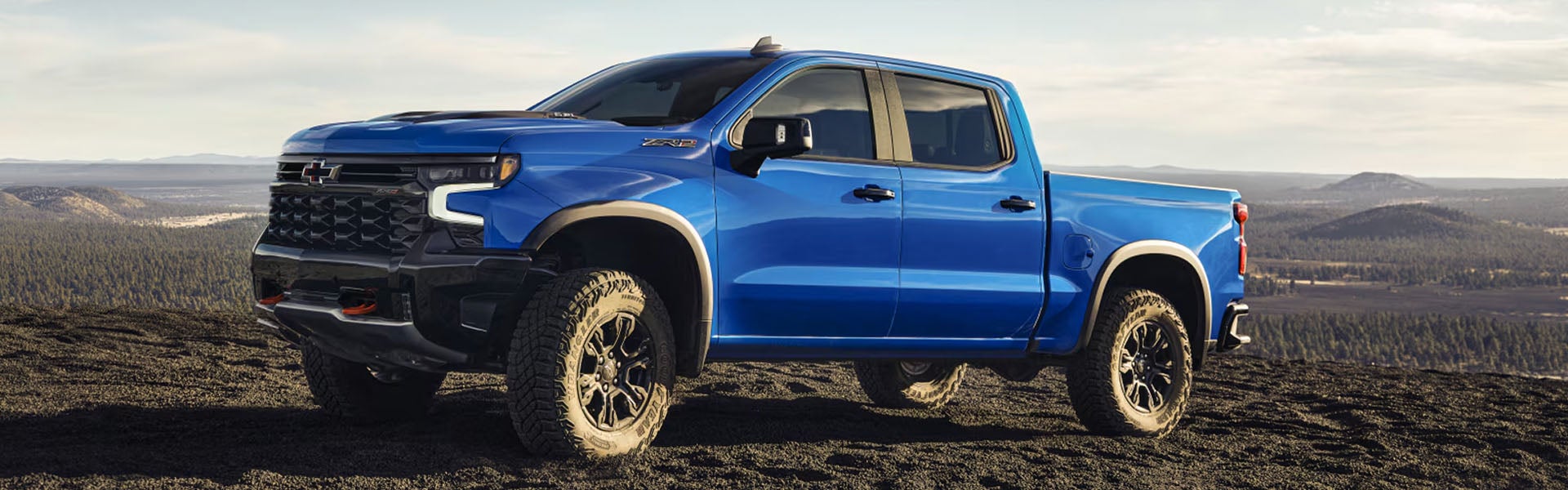
Blue Chevrolet Silverado pickup truck parked on a rugged landscape with a mountain view

2026 Chevrolet Silverado 1500 Buying Tips: How to Pick the Right Truck for You

If you're in the market for a new pickup in Mechanicsburg, Ohio, you should be checking out the 2026 Chevrolet Silverado 1500. It's a capable, well-rounded truck that suits a wide range of drivers - from weekend warrio rs to everyday commuters. These 2026 Chevrolet Silverado 1500 buying tips will help you feel confident before you ever set foot in a dealership. Know Your Needs Before You Shop The first step in any smart truck purchase is understanding how you plan to use the vehicle. The 2026 Chevrolet Silverado 1500 offers multiple cab configurations, bed lengths, and drivetrain options, so narrowing things down early saves time. Think about questions like: How often do you tow or haul? Do you drive off-road or stick to highways? Will you have passengers regularly? Answering these honestly will point you toward the right setup from the start, and this Silverado 1500 guide can help you frame those answers. Explore the Trim Levels The 2026 Silverado 1500 comes in several trims, ranging from the work-ready base configuration to well-equipped higher-end options. Each tier adds comfort, technology, and capability features. Lower trims are a great fit if you need a dependable workhorse without extra frills. Mid-level trims tend to hit a balance between value and features, often including a larger 13.4-in touchscreen and additional safety technology. Higher trims cater to drivers who want a more refined interior experience along with premium materials and advanced driver assistance features. Understanding what each trim includes helps you avoid paying for things you don't need - or missing out on features you'll use every day. Understand Powertrain Options One of the most important 2026 Chevrolet Silverado 1500 buying tips is to research the available engines before you shop. The Silverado 1500 offers multiple powertrain choices to match different driving needs and preferences. The 6.2L EcoTec3 V8 engine has 420 hp, 460 lb-ft of torque, paired with a 10-speed automatic transmission and the 5.3L EcoTec®3 V8 puts out 355 hp and 383 lb-ft of torque with the same 10-speed transmission. The TurboMax ™ engine, which comes standard on multiple trims, has 310 hp and a best-in-class 430 lb-ft of torque and the Duramax® 3.0L Turbo-Diesel has 305 hp, 495 lb-ft of torque, and a best-in-class highway gas milage of 28 MPG. No matter if you prioritize towing strength or everyday efficiency, there's a configuration designed for you. The 2026 Silverado has a maximum towing capacity of up to 13,300 lbs when properly equipped with the Duramax diesel. Explore Financing Options Before You Buy Understanding your financing options is a key part of any smart vehicle purchase. Chevrolet regularly offers promotional financing rates through GM Financial, and taking time to compare those options can save you real money over the life of your loan. Consider getting pre-qualified before visiting the dealership so you have a clear picture of your budget. Applying online with no credit impact is one easy way to prepare. Schedule a Test Drive Reading about a truck only goes so far. The best way to confirm your choice is to get behind the wheel. Pay attention to ride comfort, visibility, and how intuitive the controls feel. The 2026 Silverado 1500 features a modern cabin with a standard touchscreen and available technology upgrades, so experiencing them firsthand helps you decide which options are worth adding. Find your Silverado 1500 at Dave Kehl Chevrolet The 2026 Chevrolet Silverado 1500 buying tips outlined here are designed to make your purchase smoother. From choosing the right trim to understanding powertrain options, a little preparation goes a long way. Come in and see the team at Dave Kehl Chevrolet or visit us online at davekehlchevrolet.com to explore inventory, build your ideal Silverado, and connect with us so we can walk you through every step of the process.
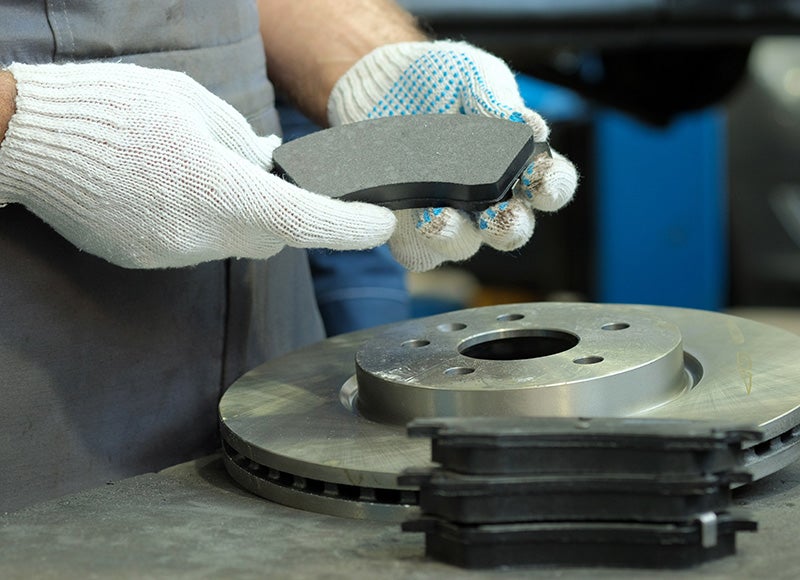
Brake pad and rotor replacement during automotive brake service inspection.

Brakes FAQ: What Are the Key Components of Your Brake System?

Understanding how your brakes work can help you stay safer on the road s around Mechanicsburg, OH and catch potential issues before they become bigger problems. This brakes FAQ breaks down the essential components that make up your vehicle's brake system in plain, easy-to-follow terms. What Are Brake Pads and What Do They Do? Brake pads are one of the parts that raise the most questions about what they are and how they work. They press against the rotor to create the friction needed to slow down your vehicle. Over time, the friction material on the pads wears down, which is why regular inspection is important. Worn brake pads often produce squealing or grinding noise. If you hear either of those sounds, it is a good idea to have your brakes inspected soon. What Is a Brake Rotor? The rotor is a flat, circular disc that spins along with your wheel. When you press the brake pedal, the pads clamp down on the rotor to slow the wheel's rotation. Rotors can become warped or worn over time, which may cause vibration in the pedal or steering wheel when braking. Like pads, rotors have a minimum thickness specification and should be measured during every brake inspection. What Does the Brake Caliper Do? The caliper is the component that houses the brake pads and squeezes them against the rotor. It works using hydraulic pressure from the brake fluid in the system. Calipers can stick or seize if they are not functioning properly, which can cause uneven brake wear or pulling to one side while braking. The calipers should be inspected every time your brakes are serviced. What Is Brake Fluid and w hy is it Important? Brake fluid is what transfers the force from your brake pedal through the hydraulic system to the calipers. Without the right amount of clean fluid, the system cannot function correctly. Brake fluid absorbs moisture over time, which lowers its boiling point and reduces braking performance. Most manufacturers recommend flushing and replacing it on a regular schedule, so check out your owner's manual for guidance. What Are Brake Lines and Hoses? Brake lines are metal tubes and rubber hoses that carry brake fluid from the master cylinder to each wheel. They both play a vital part in your bake system, since it can't operate without the brake fluid. Cracked or corroded brake lines can lead to fluid leaks, which reduces braking power significantly. T hese components should also be looked at every t ime your brakes are serviced. What Is the Brake Master Cylinder? The master cylinder is essentially the heart of your hydraulic brake system. When you press the pedal, it pushes fluid through the brake lines to activate the calipers at each wheel. A failing master cylinder may cause a spongy brake pedal or fluid leaks near the firewall. If your pedal feels soft or sinks to the floor, you need to have your master cylinder and the rest of the brake system as soon as possible. Visit Us for Brake Service in Mechanicsburg, OH This FAQ covers the core components of your vehicle's brakes, but nothing replaces a professional inspection. If you have questions about your vehicle's braking system or need service, the team at Dave Kehl Chevrolet is here to help drivers throughout Mechanicsburg, Ohio. Stop by or visit us at davekehlchevrolet.com to schedule an appointment today.

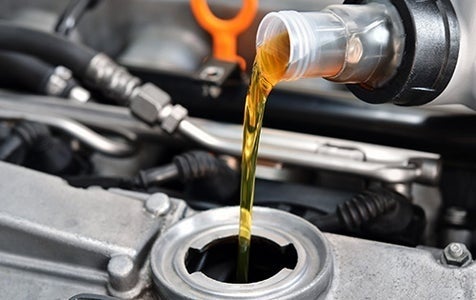
Close-up of fresh engine oil being poured into a vehicle engine during a routine oil change service.

What You Need to Know About Chevrolet Maintenance

Owning a Chevy means you've got a vehicle that is fun to drive and built to last. But it does need your help from time to time. No matter if you drive a Silverado, Equinox, or Trailblazer, your Chevrolet needs some periodic TLC to keep it running its best. That's why following a regular Chevrolet maintenance schedule is the best thing you can do. A consistent service routine helps prevent small issues from turning into costly repairs on the road. Why Regular Chevrolet Maintenance is Important Routine maintenance isn't just about keeping your warranty valid - it's about making sure your vehicle performs safely and reliably every time you get behind the wheel. Skipping scheduled service can lead to worn components, reduced fuel efficiency, and unexpected breakdowns. Oil Changes: The Path to a Healthy Engine One of the most important parts of any maintenance routine is the oil change. Fresh oil keeps your engine's moving parts properly lubricated and helps prevent overheating. Over time, oil breaks down and collects contaminants that can cause wear inside the engine. Most Chevy vehicles use an Oil Life Monitoring system to alert you when it's time for a change, so you don't have to guess. Staying current with oil changes is a simple, affordable way to extend the life of your engine. Brake Service: Don't Ignore the Warning Signs Your brakes are one of the most critical safety systems on your vehicle. Routine brake inspections help catch worn pads, low fluid levels, or damaged rotors before they become a hazard. If you hear squealing or grinding, or if your vehicle pulls to one side when stopping, those are signs that brake service is overdue. It's one part of your Chevrolet maintenance schedule you should never put off. Additional Services to Keep in Mind Beyond oil changes and brakes, a complete Chevrolet maintenance plan covers several other key services. Tire rotations help even out wear so your tires last longer and your vehicle handles better. Air filter replacements keep your engine breathing clean and improve performance. Fluid checks - including coolant, transmission fluid, and brake fluid - help every system work the way it should. Following the recommended service intervals in your owner's manual is the easiest way to stay on track. Certified Service You Can Trust in Mechanicsburg, OH Getting your Chevy serviced by trained technicians makes a real difference. Certified service teams use the right tools, parts, and knowledge specific to your vehicle. So, if it's a routine oil change, a brake inspection, or a full multi-point checkup, having qualified professionals handle your Chevrolet maintenance means the job gets done right the first time. When it's time for your Chevy's routine maintenance, the service experts at Dave Kehl Chevrolet (online at davekehlchevrolet.com) are ready to schedule your next service appointment and keep your vehicle performing at its peak.

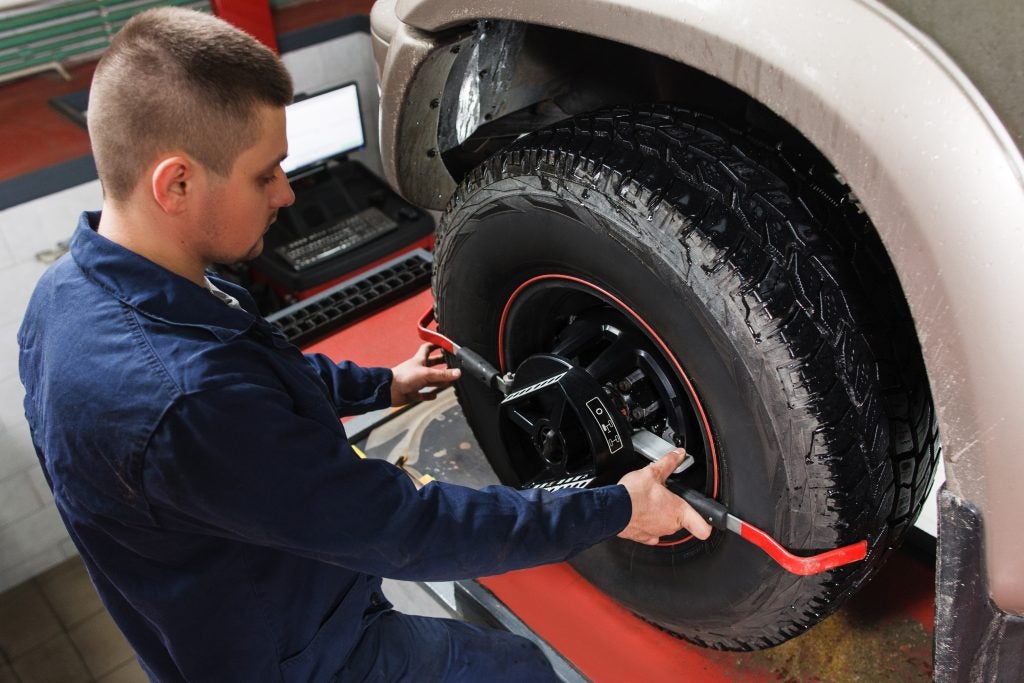
A mechanic in a blue uniform mounts a wheel alignment clamp and sensor target onto the large tire of a vehicle in a service bay, with a diagnostic computer monitor visible in the background.

Why a Wheel Alignment Is Essential This Summer

Summer is one of the best times to hit the open road, but it can also be one of the toughest seasons on your vehicle. From road construction zones to long weekend trips, the demands on your car multiply quickly once the temperatures rise. That's why understanding why wheel alignment is important this summer can make a real difference in how your Chevy performs and how safe you stay on the road. What a Wheel Alignment Actually Does A wheel alignment is the process of adjusting your vehicle's suspension so that all four tires make proper contact with the road at the correct angles. It's not about the tires themselves — it's about how the suspension connects them to the vehicle. When those angles are off, even slightly, your tires wear unevenly, your steering feels off-center, and your fuel economy can take a hit. Think of it this way: if your wheels are pointing in slightly different directions, your vehicle is working against itself every time you drive. That added resistance adds up over time. Signs Your Chevy Needs an Alignment Knowing when to schedule a Chevy service for an alignment starts with paying attention to how your vehicle feels. If your Chevy pulls to one side while driving on a flat, straight road, that's a common sign something is off. A steering wheel that vibrates or sits crooked when you're driving straight is another indicator. You might also notice that your tires are wearing unevenly — one edge wearing down much faster than the other. Catching this early can save you from having to replace your tires prematurely. If any of these symptoms sound familiar, it's worth getting it checked out before summer driving ramps up. How Summer Roads Affect Wheel Alignment Summer brings unique road conditions that can increase the chances of alignment issues, especially with construction zones, uneven pavement, and longer road trips. Construction detours and uneven pavement create sudden jolts that can gradually affect your wheel alignment angles and suspension of geometry. Even hitting a pothole at highway speed can push your alignment outside the manufacturer’s recommended settings. Heat also plays a role. Extreme temperatures can cause road surfaces to expand and develop uneven areas that place additional stress on your tires and suspension components. For drivers where summer road work is common, these conditions make seasonal alignment checks a smart habit rather than an optional precaution. The Connection Between Alignment and Tire Life One of the most practical reasons why wheel alignment is important is the direct impact it has on your tires. Tires are a significant investment, and proper alignment helps you get the most out of every set. When your wheels are properly aligned, your tires wear evenly across the tread surface, which means they last longer and perform more predictably. Misaligned wheels cause certain areas of the tire to bear more load than others. Over time, that uneven pressure creates worn patches that reduce traction and can shorten a tire's useful life by thousands of miles. Combining regular alignment service with routine tire rotations is one of the most cost-effective ways to protect that investment. Fuel Efficiency and Handling Benefits When your alignment is correct, your vehicle moves more efficiently. Misaligned wheels create drag — the tires are essentially fighting the direction you're steering, which means your engine works harder to maintain speed. That extra effort translates directly into reduced fuel efficiency. Proper alignment also improves handling and responsiveness, which matters most when you need to react quickly. Whether you're merging onto a highway or navigating a curve, a well-aligned vehicle responds to the way you expect it to. Scheduling Chevy service before a long summer road trip is a simple step that pays off in both comfort and confidence behind the wheel. The Bottom Line on Summer Wheel Alignment Understanding why wheel alignment is essential this summer comes down to three things: safety, savings, and performance. Proper alignment keeps your tires wearing evenly, your fuel economy where it should be, and your vehicle handling the way it was designed to. Summer's unique road conditions make this an especially important time of year to get it done. Don't wait until you notice handling or tire wear problems before scheduling an alignment check. A proactive alignment check is one of the simplest, most affordable ways to protect your Chevy and enjoy everything summer driving has to offer. Visit Dave Kehl Chevrolet for Expert Alignment Service If you're not sure when your vehicle was last aligned, or if you've noticed any of the issues described above, now is a great time to schedule a visit. The service team at Dave Kehl Chevrolet is equipped to assess your alignment and get your Chevy back on track before summer driving season is in full swing.

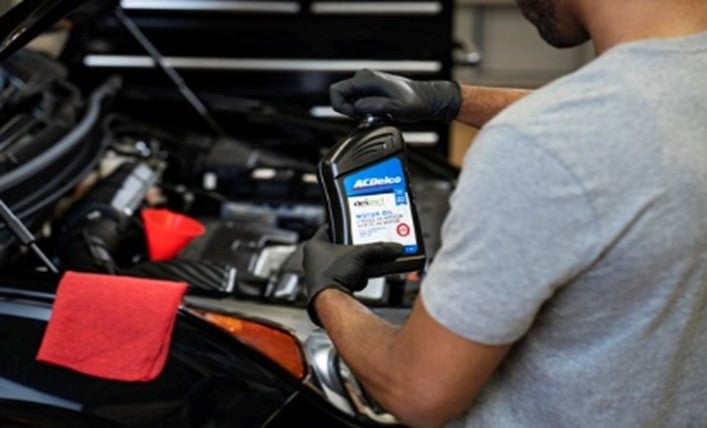
A person wearing black gloves holds a bottle of ACDelco motor oil over an open car engine bay, which features a red funnel and a red shop towel on the fender.

How to Properly Maintain Your 2026 Chevrolet

Owners of a 2026 Silverado, Equinox, Traverse, or Trax should understand the maintenance needs for their vehicle at Dave Kehl Chevrolet in Mechanicsburg, OH. Regular service helps to keep a car in good condition, and it allows parts to last longer over time. You should contact the service center to schedule an appointment for your car or truck. Stay on Top of Oil Changes Fresh oil lubricates the moving parts of the engine, and it helps to stop the metal from getting too hot. Most 2026 Chevrolet models use a Dexos approved motor oil, and the vehicles have a system that shows when an oil change is necessary. The Equinox uses a 1.5 L engine that produces 175 hp and 184 lb-ft of torque. You should check the oil level at least 1 time per month to ensure it is not low. Rotate Your Tires Regularly You should rotate your tires every 5,000 to 7,500 miles to ensure the tread wears down at the same rate on all 4 wheels. Most models come with 17", 18", or 20" wheels depending on the specific trim you choose. Proper tire care helps the car handle better on the road, and it can help the tires last for a longer period. Replace Your Air Filter When Needed The engine air filter stops dirt from getting into the internal parts of the motor. For a 2026 Chevrolet, you should inspect the filter every 15,000 to 30,000 miles. If you drive in dusty areas, you might need to change the filter more often to keep the engine running well. Maintain Your Infotainment System The 2026 Chevrolet Traverse features a 17.7" screen, and the Equinox features an 11.3" screen. These systems allow for the use of Apple CarPlay© and Android Auto© for maps and music. You should clean the screen with a soft cloth to keep it free of dust and fingerprints. Keep Your Brakes in Good Condition Brake pads and rotors allow the vehicle to stop safely in different weather conditions. You should have a technician look at the brakes if you hear a grinding noise or if the car takes more time to stop. Most 2026 models include a sensor that tells the driver when the brake pads are thin. Chevrolet Service for Electric Vehicles Electric models like the Silverado EV or Equinox EV have different service needs. The Silverado EV offers a range of 450 miles on a full charge. While these cars do not need oil changes, they still require tire rotations and check for the coolant that keeps the battery at the right temperature. Use Chevrolet Certified Service Certified technicians have the training to work on all 2026 Chevrolet trims, including the LS, LT, RS, and High Country. These experts use official parts to ensure the car stays in the best possible condition. Knowing how to maintain a 2026 Chevrolet helps to keep the vehicle safe for many years. Owners in Mechanicsburg, OH should visit Dave Kehl Chevrolet to speak with a technician about their vehicle.

Contact Us

Fill out this form below and we'll contact you shortly
*Required Fields