



Blog / Brake Services

Blog

All Brake Services Dave Kehl Chevrolet Service Mechanicsburg Chevrolet Dealer Mechanicsburg Chevrolet Service Services SUV 2026 Chevy Silverado 1500 Chevy Equinox Oil Change 2027 Chevrolet Equinox 2027 Chevrolet Traverse 2027 Chevy Silverado Brake service Silverado 1500 vs F-150 Wheel Alignment
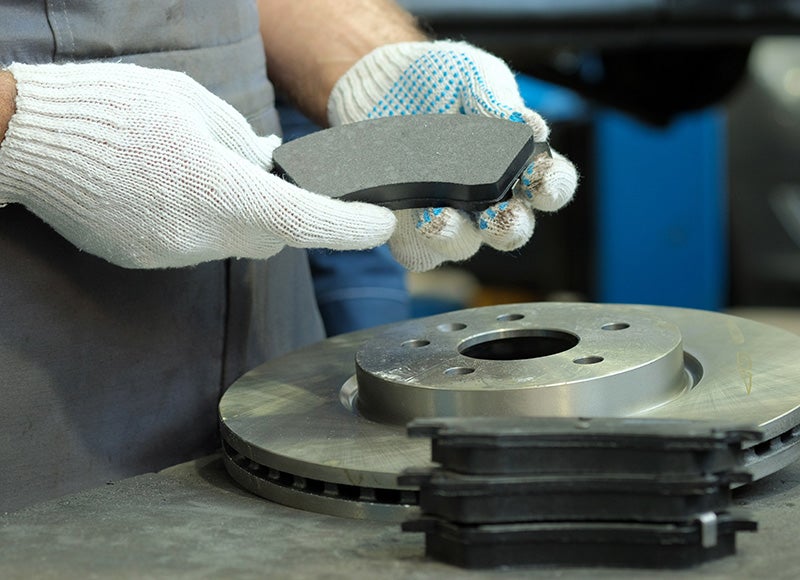
Brake pad and rotor replacement during automotive brake service inspection.

Brakes FAQ: What Are the Key Components of Your Brake System?

Understanding how your brakes work can help you stay safer on the road s around Mechanicsburg, OH and catch potential issues before they become bigger problems. This brakes FAQ breaks down the essential components that make up your vehicle's brake system in plain, easy-to-follow terms. What Are Brake Pads and What Do They Do? Brake pads are one of the parts that raise the most questions about what they are and how they work. They press against the rotor to create the friction needed to slow down your vehicle. Over time, the friction material on the pads wears down, which is why regular inspection is important. Worn brake pads often produce squealing or grinding noise. If you hear either of those sounds, it is a good idea to have your brakes inspected soon. What Is a Brake Rotor? The rotor is a flat, circular disc that spins along with your wheel. When you press the brake pedal, the pads clamp down on the rotor to slow the wheel's rotation. Rotors can become warped or worn over time, which may cause vibration in the pedal or steering wheel when braking. Like pads, rotors have a minimum thickness specification and should be measured during every brake inspection. What Does the Brake Caliper Do? The caliper is the component that houses the brake pads and squeezes them against the rotor. It works using hydraulic pressure from the brake fluid in the system. Calipers can stick or seize if they are not functioning properly, which can cause uneven brake wear or pulling to one side while braking. The calipers should be inspected every time your brakes are serviced. What Is Brake Fluid and w hy is it Important? Brake fluid is what transfers the force from your brake pedal through the hydraulic system to the calipers. Without the right amount of clean fluid, the system cannot function correctly. Brake fluid absorbs moisture over time, which lowers its boiling point and reduces braking performance. Most manufacturers recommend flushing and replacing it on a regular schedule, so check out your owner's manual for guidance. What Are Brake Lines and Hoses? Brake lines are metal tubes and rubber hoses that carry brake fluid from the master cylinder to each wheel. They both play a vital part in your bake system, since it can't operate without the brake fluid. Cracked or corroded brake lines can lead to fluid leaks, which reduces braking power significantly. T hese components should also be looked at every t ime your brakes are serviced. What Is the Brake Master Cylinder? The master cylinder is essentially the heart of your hydraulic brake system. When you press the pedal, it pushes fluid through the brake lines to activate the calipers at each wheel. A failing master cylinder may cause a spongy brake pedal or fluid leaks near the firewall. If your pedal feels soft or sinks to the floor, you need to have your master cylinder and the rest of the brake system as soon as possible. Visit Us for Brake Service in Mechanicsburg, OH This FAQ covers the core components of your vehicle's brakes, but nothing replaces a professional inspection. If you have questions about your vehicle's braking system or need service, the team at Dave Kehl Chevrolet is here to help drivers throughout Mechanicsburg, Ohio. Stop by or visit us at davekehlchevrolet.com to schedule an appointment today.
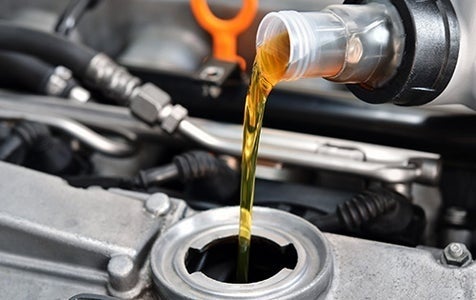
Close-up of fresh engine oil being poured into a vehicle engine during a routine oil change service.

What You Need to Know About Chevrolet Maintenance

Owning a Chevy means you've got a vehicle that is fun to drive and built to last. But it does need your help from time to time. No matter if you drive a Silverado, Equinox, or Trailblazer, your Chevrolet needs some periodic TLC to keep it running its best. That's why following a regular Chevrolet maintenance schedule is the best thing you can do. A consistent service routine helps prevent small issues from turning into costly repairs on the road. Why Regular Chevrolet Maintenance is Important Routine maintenance isn't just about keeping your warranty valid - it's about making sure your vehicle performs safely and reliably every time you get behind the wheel. Skipping scheduled service can lead to worn components, reduced fuel efficiency, and unexpected breakdowns. Oil Changes: The Path to a Healthy Engine One of the most important parts of any maintenance routine is the oil change. Fresh oil keeps your engine's moving parts properly lubricated and helps prevent overheating. Over time, oil breaks down and collects contaminants that can cause wear inside the engine. Most Chevy vehicles use an Oil Life Monitoring system to alert you when it's time for a change, so you don't have to guess. Staying current with oil changes is a simple, affordable way to extend the life of your engine. Brake Service: Don't Ignore the Warning Signs Your brakes are one of the most critical safety systems on your vehicle. Routine brake inspections help catch worn pads, low fluid levels, or damaged rotors before they become a hazard. If you hear squealing or grinding, or if your vehicle pulls to one side when stopping, those are signs that brake service is overdue. It's one part of your Chevrolet maintenance schedule you should never put off. Additional Services to Keep in Mind Beyond oil changes and brakes, a complete Chevrolet maintenance plan covers several other key services. Tire rotations help even out wear so your tires last longer and your vehicle handles better. Air filter replacements keep your engine breathing clean and improve performance. Fluid checks - including coolant, transmission fluid, and brake fluid - help every system work the way it should. Following the recommended service intervals in your owner's manual is the easiest way to stay on track. Certified Service You Can Trust in Mechanicsburg, OH Getting your Chevy serviced by trained technicians makes a real difference. Certified service teams use the right tools, parts, and knowledge specific to your vehicle. So, if it's a routine oil change, a brake inspection, or a full multi-point checkup, having qualified professionals handle your Chevrolet maintenance means the job gets done right the first time. When it's time for your Chevy's routine maintenance, the service experts at Dave Kehl Chevrolet (online at davekehlchevrolet.com) are ready to schedule your next service appointment and keep your vehicle performing at its peak.

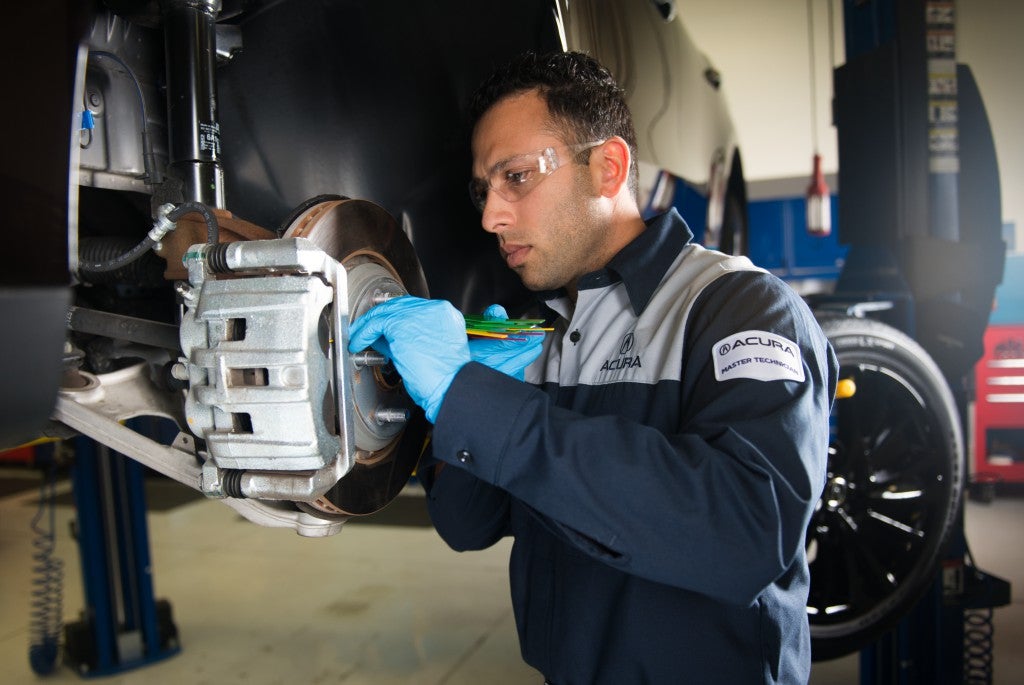
Technician inspecting a vehicle brake assembly while wearing safety glasses and gloves in a service bay.

The Sound You Never Want Your Chevrolet to Make

Your Chevrolet talks to you. Not with words, obviously. That would be unsettling. Instead, it communicates through sounds, vibrations, warning lights, and the occasional noise that causes you to turn down the radio and say, "What was that?" When it comes to your brakes, paying attention to those signals can help you avoid expensive repairs and keep your Chevrolet stopping exactly the way it was designed to. If you’re a driver around Mechanicsburg, OH, knowing when to schedule a brake service is one of the simplest ways to protect your vehicle. Your Brakes Do More Work Than You Realize Most drivers don't spend much time thinking about their brakes until they need them. The problem is that brake components don't usually fail at all at once. Brake pads gradually wear down. Rotors experience heat and friction. Brake fluid absorbs moisture over time. The entire system ages little by little with every mile you drive. Routine brake service helps identify normal wear before it turns into something that affects stopping performance—or your wallet. The Warning Signs Are Usually Pretty Generous Thankfully, your Chevrolet rarely keeps brake problems a secret. A squealing noise is often the first clue that your brake pads are wearing thin. A grinding sound is your vehicle's way of saying, "Remember that squealing noise you ignored? We need to talk." Other warning signs include a vibrating brake pedal, pulling during braking, increased stopping distances, or a brake pedal that feels softer than normal. Any of these symptoms deserve professional attention sooner rather than later. The sooner they're addressed, the more likely you are to avoid larger repairs. Why Annual Brake Inspections Make Sense There isn't a universal brake replacement schedule because no two drivers use their vehicles exactly the same way. A Silverado that spends weekends towing a trailer will place different demands on its brakes than a Trailblazer used primarily for commuting. Traffic, terrain, weather, and driving habits all play a role in brake wear. That's why many Chevrolet owners schedule brake inspections during routine maintenance visits such as oil changes or tire rotations. It's an easy way to stay ahead of wear without adding extra appointments to your calendar. A Brake Inspection Looks at More Than Pads A professional brake inspection involves much more than a quick glance at the brake pads. Certified Chevrolet technicians evaluate rotor condition, inspect calipers and hardware, measure pad thickness, and check brake fluid quality. Looking at the entire system helps identify concerns that may not yet be obvious from behind the wheel. It's preventative maintenance in its most practical form. Genuine GM Parts Help Maintain Chevrolet Performance When brake components need replacement, using genuine GM parts helps ensure proper fit, performance, and durability. Chevrolet engineers designed your braking system to work as a complete package. Genuine components help maintain that balance and provide the confidence that comes from knowing the parts were built specifically for your vehicle. For many owners, that's a worthwhile advantage. Keep Your Chevrolet Ready for the Road in Mechanicsburg, OH At Dave Kehl Chevrolet, drivers rely on our certified service team for brake inspections, brake repairs, routine maintenance, and genuine GM parts. While you're here, it's also a great opportunity to explore the latest Chevrolet cars, trucks, and SUVs if you're considering an upgrade. If it's been a while since your last brake inspection, now is an excellent time to schedule a visit. Your Chevrolet has been working hard for you. Making sure it can stop as well as it goes is a pretty smart next step.

Contact Us

Fill out this form below and we'll contact you shortly
*Required Fields