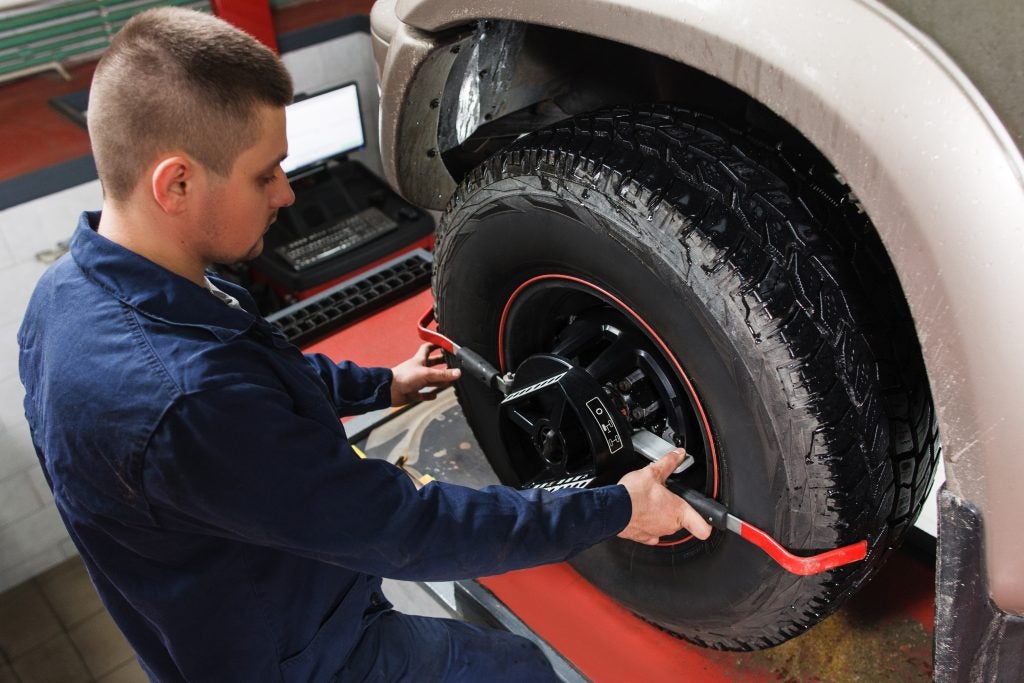





Understanding how your brakes work can help you stay safer on the roads around Mechanicsburg, OH and catch potential issues before they become bigger problems. This brakes FAQ breaks down the essential components that make up your vehicle's brake system in plain, easy-to-follow terms.
What Are Brake Pads and What Do They Do?
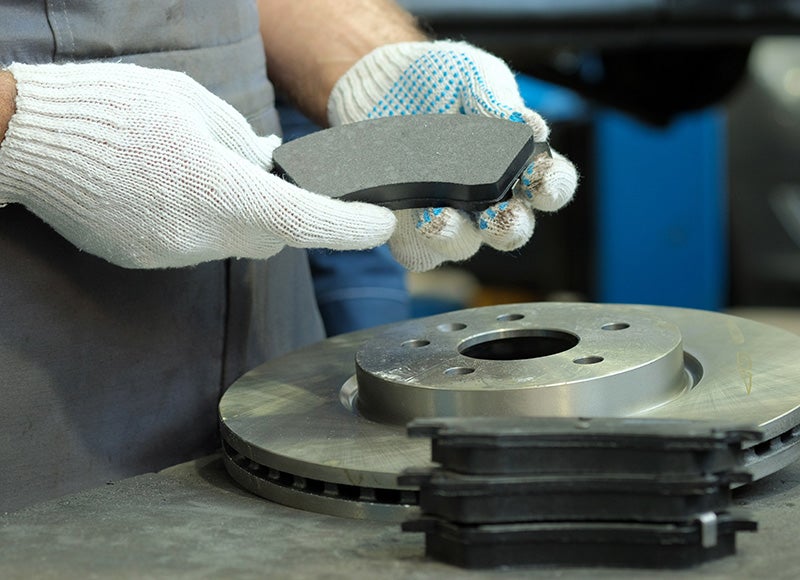
Brake pads are one of the parts that raise the most questions about what they are and how they work. They press against the rotor to create the friction needed to slow down your vehicle. Over time, the friction material on the pads wears down, which is why regular inspection is important.
Worn brake pads often produce squealing or grinding noise. If you hear either of those sounds, it is a good idea to have your brakes inspected soon.
What Is a Brake Rotor?
The rotor is a flat, circular disc that spins along with your wheel. When you press the brake pedal, the pads clamp down on the rotor to slow the wheel's rotation.
Rotors can become warped or worn over time, which may cause vibration in the pedal or steering wheel when braking. Like pads, rotors have a minimum thickness specification and should be measured during every brake inspection.
What Does the Brake Caliper Do?
The caliper is the component that houses the brake pads and squeezes them against the rotor. It works using hydraulic pressure from the brake fluid in the system.
Calipers can stick or seize if they are not functioning properly, which can cause uneven brake wear or pulling to one side while braking. The calipers should be inspected every time your brakes are serviced.
What Is Brake Fluid and why is it Important?
Brake fluid is what transfers the force from your brake pedal through the hydraulic system to the calipers. Without the right amount of clean fluid, the system cannot function correctly.
Brake fluid absorbs moisture over time, which lowers its boiling point and reduces braking performance. Most manufacturers recommend flushing and replacing it on a regular schedule, so check out your owner's manual for guidance.
What Are Brake Lines and Hoses?
Brake lines are metal tubes and rubber hoses that carry brake fluid from the master cylinder to each wheel. They both play a vital part in your bake system, since it can't operate without the brake fluid.
Cracked or corroded brake lines can lead to fluid leaks, which reduces braking power significantly. These components should also be looked at every time your brakes are serviced.
What Is the Brake Master Cylinder?
The master cylinder is essentially the heart of your hydraulic brake system. When you press the pedal, it pushes fluid through the brake lines to activate the calipers at each wheel.
A failing master cylinder may cause a spongy brake pedal or fluid leaks near the firewall. If your pedal feels soft or sinks to the floor, you need to have your master cylinder and the rest of the brake system as soon as possible.
Visit Us for Brake Service in Mechanicsburg, OH
This FAQ covers the core components of your vehicle's brakes, but nothing replaces a professional inspection. If you have questions about your vehicle's braking system or need service, the team at Dave Kehl Chevrolet is here to help drivers throughout Mechanicsburg, Ohio. Stop by or visit us at davekehlchevrolet.com to schedule an appointment today.