





Your Chevrolet talks to you. Not with words, obviously. That would be unsettling. Instead, it communicates through sounds, vibrations, warning lights, and the occasional noise that causes you to turn down the radio and say, “What was that?”
When it comes to your brakes, paying attention to those signals can help you avoid expensive repairs and keep your Chevrolet stopping exactly the way it was designed to. If you’re a driver around Mechanicsburg, OH, knowing when to schedule a brake service is one of the simplest ways to protect your vehicle.
Your Brakes Do More Work Than You Realize
Most drivers don’t spend much time thinking about their brakes until they need them. The problem is that brake components don’t usually fail at all at once. Brake pads gradually wear down. Rotors experience heat and friction. Brake fluid absorbs moisture over time. The entire system ages little by little with every mile you drive.
Routine brake service helps identify normal wear before it turns into something that affects stopping performance—or your wallet.
The Warning Signs Are Usually Pretty Generous
Thankfully, your Chevrolet rarely keeps brake problems a secret. A squealing noise is often the first clue that your brake pads are wearing thin. A grinding sound is your vehicle’s way of saying, “Remember that squealing noise you ignored? We need to talk.”
Other warning signs include a vibrating brake pedal, pulling during braking, increased stopping distances, or a brake pedal that feels softer than normal. Any of these symptoms deserve professional attention sooner rather than later.
The sooner they’re addressed, the more likely you are to avoid larger repairs.
Why Annual Brake Inspections Make Sense
There isn’t a universal brake replacement schedule because no two drivers use their vehicles exactly the same way.
A Silverado that spends weekends towing a trailer will place different demands on its brakes than a Trailblazer used primarily for commuting. Traffic, terrain, weather, and driving habits all play a role in brake wear.
That’s why many Chevrolet owners schedule brake inspections during routine maintenance visits such as oil changes or tire rotations. It’s an easy way to stay ahead of wear without adding extra appointments to your calendar.
A Brake Inspection Looks at More Than Pads
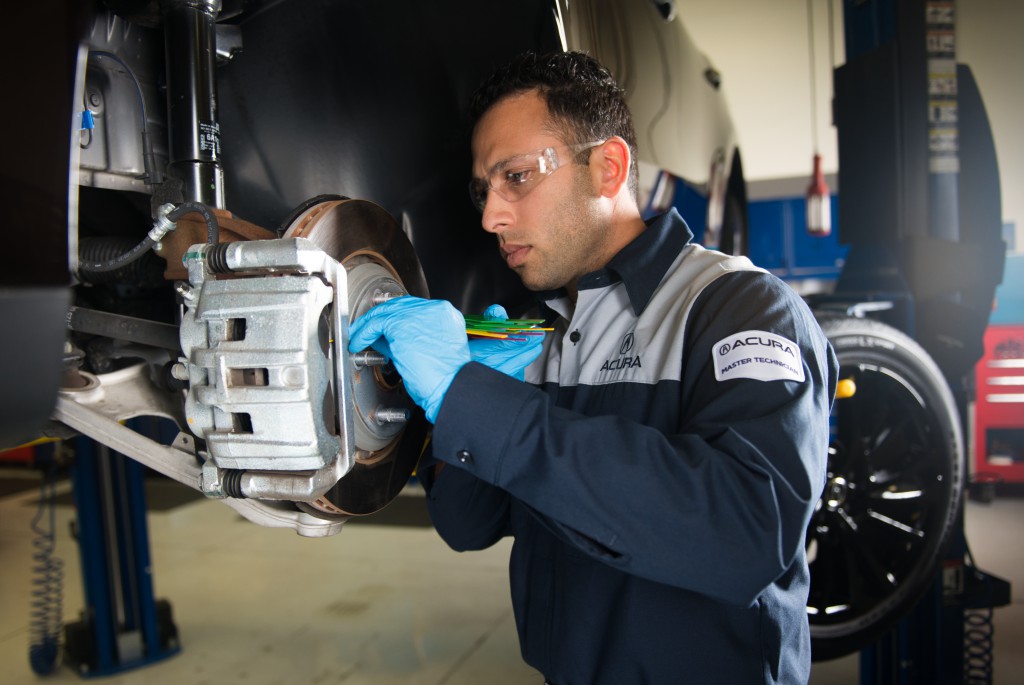
A professional brake inspection involves much more than a quick glance at the brake pads. Certified Chevrolet technicians evaluate rotor condition, inspect calipers and hardware, measure pad thickness, and check brake fluid quality. Looking at the entire system helps identify concerns that may not yet be obvious from behind the wheel.
It’s preventative maintenance in its most practical form.
Genuine GM Parts Help Maintain Chevrolet Performance
When brake components need replacement, using genuine GM parts helps ensure proper fit, performance, and durability. Chevrolet engineers designed your braking system to work as a complete package. Genuine components help maintain that balance and provide the confidence that comes from knowing the parts were built specifically for your vehicle.
For many owners, that’s a worthwhile advantage.
Keep Your Chevrolet Ready for the Road in Mechanicsburg, OH
At Dave Kehl Chevrolet, drivers rely on our certified service team for brake inspections, brake repairs, routine maintenance, and genuine GM parts. While you’re here, it’s also a great opportunity to explore the latest Chevrolet cars, trucks, and SUVs if you’re considering an upgrade.
If it’s been a while since your last brake inspection, now is an excellent time to schedule a visit. Your Chevrolet has been working hard for you. Making sure it can stop as well as it goes is a pretty smart next step.
Connect with us

